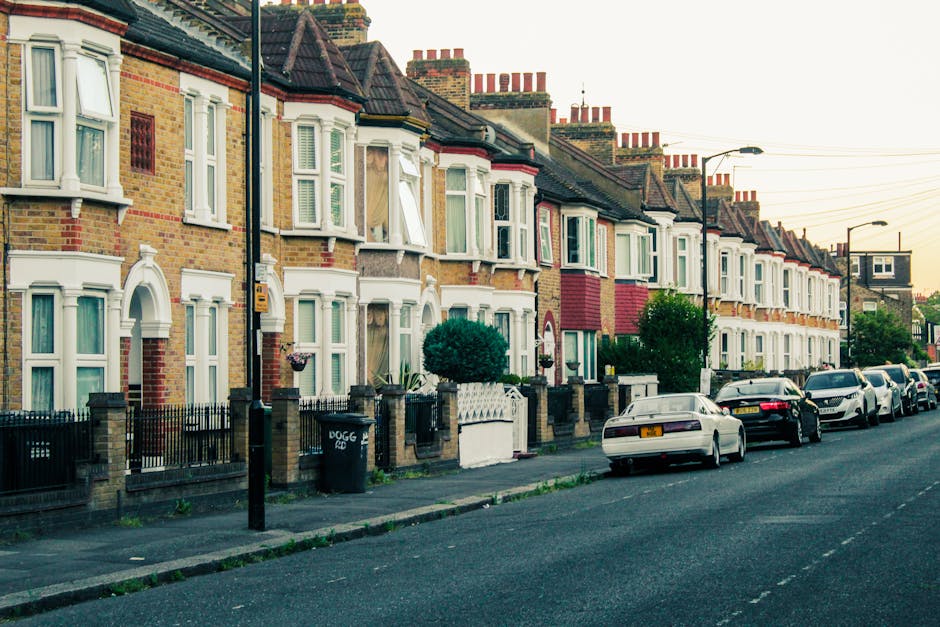
East Finchley oven cleaning for Victorian and terraced kitchens
If you live in East Finchley, you already know the charm of Victorian and terraced kitchens comes with a few quirks. Narrow galley layouts, older fittings, awkward corners, and ovens tucked into tight runs of cupboards can make cleaning feel like a proper nuisance. That is exactly why East Finchley oven cleaning for Victorian and terraced kitchens needs a more careful, methodical approach than a standard wipe-down. Get it right, and the whole room feels fresher, safer, and oddly more usable. Get it wrong, and you can end up with scratched glass, damaged seals, or greasy residue that keeps coming back.
This guide breaks down what matters, how professional oven cleaning usually works, where homeowners run into trouble, and what to look for if you want a reliable result in a period kitchen. It also covers sensible care steps, common mistakes, and the kind of expectations that help you compare options properly. And yes, it is absolutely possible to have a gleaming oven without turning your Victorian kitchen into a science experiment.
Contents
- Why East Finchley oven cleaning for Victorian and terraced kitchens Matters
- How East Finchley oven cleaning for Victorian and terraced kitchens Works
- Key Benefits and Practical Advantages
- Who This Is For and When It Makes Sense
- Step-by-Step Guidance
- Expert Tips for Better Results
- Common Mistakes to Avoid
- Tools, Resources and Recommendations
- Law, Compliance, Standards, or Best Practice
- Options, Methods, or Comparison Table
- Case Study or Real-World Example
- Practical Checklist
- Conclusion
- Frequently Asked Questions
Why East Finchley oven cleaning for Victorian and terraced kitchens Matters
Victorian and terraced kitchens are often wonderful spaces in their own right, but they are rarely forgiving. Many have older cabinetry, painted timber, original tilework, compact footprints, and limited ventilation. That combination means oven grease does not just sit in one place; it tends to drift onto nearby splashbacks, trim, handles, and even floor edges. In a tight kitchen, a dirty oven can affect the feel of the whole room.
There is also a practical side. Built-up carbon and fat can smoke during cooking, create lingering odours, and make temperature control less consistent. If you have ever opened the oven door and been hit by that stale, burnt smell, you will know exactly what I mean. It is not just unpleasant. It changes how the kitchen functions.
In older homes, the cleaning process has to respect the materials around the appliance. A harsh shortcut might seem fine on a modern stainless-steel setup, but in a Victorian or terraced kitchen, you may be dealing with aged paint, decorative mouldings, soft finishes, or narrow access points. That is why East Finchley oven cleaning for Victorian and terraced kitchens is less about brute force and more about careful technique.
If you are also planning a broader refresh, services like deep cleaning or domestic cleaning can make sense alongside oven care, especially when the rest of the kitchen needs attention too. In some homes, a one-off refresh is enough; in others, the oven is only one piece of a much bigger picture. Let's face it, old kitchens have a way of revealing everything at once.
How East Finchley oven cleaning for Victorian and terraced kitchens Works
A proper oven clean is usually a structured process, not a quick scrub. The cleaner will assess the appliance type, look for removable parts, check access around the oven, and decide which methods suit the finish and the level of grime. In period kitchens, that assessment matters more than people realise. A tight alcove, a built-in unit with a delicate surround, or a floor-level oven tucked under a worktop can all change the approach.
In broad terms, professional oven cleaning often includes the trays, shelves, racks, door glass, interior cavity, fan area where accessible, and exterior surfaces. The technician typically separates removable components from the main unit so they can be treated properly. This helps avoid over-wetting sensitive areas and prevents cleaning product from sitting where it should not.
For Victorian and terraced kitchens, extra care often goes into protecting nearby surfaces. That can mean using barrier mats, working with lower-moisture methods, and being cautious around painted timber or older tiles. Sometimes the challenge is not the oven itself; it is the environment around it. A cramped passage between units and a sink, for example, makes movement awkward. Not impossible. Just awkward.
If you want a specialist approach, the dedicated oven cleaner and oven cleaning pages are useful for understanding how the service is typically positioned. For many homes, it is part of a wider one-off cleaning visit rather than a recurring job, which is often the right call if the oven has been neglected for a while.
In practice, the work usually follows a simple logic: inspect, protect, dismantle what can be safely removed, clean methodically, rinse and finish, then reassemble and test. The best results come from patience. It is a bit like restoring order to a small battlefield, minus the drama.
Key Benefits and Practical Advantages
A clean oven does more than look nice. In a Victorian or terraced kitchen, it can genuinely improve how the room feels day to day. The main benefits are easy to see once you have lived with a properly cleaned appliance for a few weeks.
- Less smoke and smell: old grease and carbon are the usual culprits behind burnt odours during cooking.
- Better visibility: a clean glass door lets you monitor food without opening the oven repeatedly.
- More consistent cooking: heavy residue can interfere with heat circulation and make the oven feel uneven.
- Improved hygiene: food residue and fat build-up are not great companions in a small kitchen.
- Longer appliance life: regular cleaning can help reduce wear on seals, fans, and door components.
- Better presentation: especially useful if you are preparing to sell, rent, or simply reclaim the room.
There is also a subtle benefit that gets overlooked: confidence. Once the oven is clean, people tend to use it properly again. Roast dinners feel less intimidating. Baking feels easier. Even a simple tray of vegetables seems more appealing when you are not staring at a layer of blackened grease. Funny how that works.
If you are tackling the kitchen as part of a larger home reset, pairing oven care with window cleaning, hard floor cleaning, or house cleaning can create a much bigger before-and-after effect. In compact East Finchley homes, the room often feels brighter before it even looks bigger.
Who This Is For and When It Makes Sense
This service makes sense for a wide range of East Finchley households, but it is especially useful if you live in an older terraced or Victorian property and cook regularly. Those kitchens tend to trap grease faster because the space is smaller and the ventilation is not always generous. If the oven sits under a worktop in a tight galley kitchen, a deep clean can make a noticeable difference in how easy it is to move around.
You may also want it if you are:
- moving out and want the kitchen to look properly maintained
- preparing a property for sale or letting
- dealing with recurring smoke or burnt smells
- getting ready for a family visit or celebration
- returning after a renovation or builder's work
- simply tired of the oven being the one job you keep avoiding
For households in the middle of a bigger refresh, a cleaning company can coordinate oven cleaning with other services, and that can be far more efficient than handling each task separately. If the kitchen has been hit by dust from nearby works, after builders cleaning may also be relevant.
To be fair, not everyone needs a full professional clean every few months. Some households only need it after heavy seasonal cooking or ahead of a move. Others, especially busy families, benefit from keeping it on a routine. There is no single perfect schedule. The right answer depends on how much you cook and how quickly grime builds up.
Step-by-Step Guidance
If you are planning to clean the oven yourself, or simply want to know what a professional service should cover, it helps to understand the workflow. Here is the practical version.
- Clear the surrounding area. Remove tea towels, chopping boards, spice racks, and anything else close to the oven. Small kitchens fill up fast, so create room before you start.
- Check the appliance type. Gas, electric, and built-in ovens can require slightly different handling. In older homes, space around the appliance may be tighter than expected.
- Take out removable parts. Shelves, trays, and racks should be separated so they can be cleaned more thoroughly.
- Protect delicate surfaces. In Victorian and terraced kitchens, keep an eye on painted wood, old tiles, laminate edges, and soft finishes.
- Apply the right cleaner carefully. Use a method suitable for the material and the amount of grime. Less can be more here.
- Allow dwell time. Cleaning products need time to work on baked-on grease. Rushing this stage is a common mistake.
- Scrub and lift residue. Work in sections. On glass and enamel, gentle but consistent pressure usually beats aggressive scrubbing.
- Rinse and wipe dry. Residue left behind can attract dirt again. A proper finish matters.
- Reassemble and test. Check shelves, door seals, and accessories before cooking again.
- Ventilate the room. Open a window if possible. A small burst of fresh air helps remove cleaning odours and loosened grease smells.
Professional services generally follow the same logic, but with stronger equipment and more experience around awkward layouts. If you live in a terraced house with a narrow kitchen doorway, for example, simple movement around the oven can become the trickiest part of the job. Not glamorous, but very real.
Expert Tips for Better Results
Here are a few practical pointers that make a real difference in period kitchens.
1. Don't ignore the door seal. Grease around the seal can affect how the oven closes and how heat stays inside. Clean it gently rather than scrubbing it to bits.
2. Treat glass with respect. A scratched oven door ruins the finish quickly. Use tools that are safe for glass and avoid anything harsh or metal unless you are absolutely certain it is appropriate.
3. Work from the top down. Grease drips. If you clean the bottom first, you may undo your own progress.
4. Clean while the grime is warm, not hot. Light residue lifts easier when it is not fully set, but safety comes first. You want warm, not dangerous.
5. Keep an eye on ventilation. Victorian and terraced kitchens can be a bit stuffy. Open a window, switch on an extractor if you have one, and give the room somewhere for fumes to go.
6. Match the service to the kitchen. A small galley kitchen may be better suited to a well-planned one-off visit than a rushed general clean. That is where a service like home cleaners or domestic cleaning can complement specialist oven work.
7. Ask about protection of surrounding surfaces. In older homes, the issue is often not the oven but the finishes around it. The best cleaners notice that before you have to mention it.
Expert summary: in older East Finchley kitchens, the best oven clean is the one that respects the room as much as the appliance. Clean the oven thoroughly, yes, but keep the woodwork, tile edges, and nearby fittings safe. That balance is what separates a decent job from a genuinely good one.
Common Mistakes to Avoid
People often make the same few mistakes when cleaning ovens in older kitchens. The good news? They are avoidable.
- Using overly harsh products on old finishes: what works on a modern kitchen can damage a painted Victorian surround.
- Forgetting to protect floors: drip marks on tiled or timber floors are annoying, and sometimes stubborn.
- Cleaning too fast: if grease has built up over months, it will not shift in one impatient pass.
- Ignoring hidden edges: crumbs and grease collect along seals, hinges, and shelf runners.
- Scrubbing glass with the wrong tool: this is how scratches happen. A bit too enthusiastic, and there you are.
- Reassembling before everything is dry: moisture trapped in the wrong place can leave smells and streaks.
- Overlooking nearby cupboards: the oven may be clean, but the kitchen still looks tired if the surrounding grease is left untouched.
The big one is rushing. In small terraced kitchens, it is tempting to blast through the job because the space feels cramped. But cramped does not mean careless. If anything, it means the opposite. You need a steadier hand.
Tools, Resources and Recommendations
You do not need a suitcase of specialist equipment to keep an oven in good shape, but the right kit helps.
| Tool or item | What it helps with | Why it matters in Victorian/terraced kitchens |
|---|---|---|
| Microfibre cloths | General wiping and polishing | Low lint, gentle on delicate surfaces |
| Non-scratch pads | Lifting baked-on residue | Reduces the risk of marking glass or enamel |
| Protective sheets or towels | Floor and worktop protection | Useful in narrow kitchens where spills travel quickly |
| Small handheld brush | Runners and corners | Helps reach awkward detailing in older appliance spaces |
| Warm water and mild detergent | Light maintenance cleaning | Often enough between deeper visits |
| Good ventilation | Clearing odours and fumes | Especially helpful in compact or enclosed kitchen layouts |
For readers comparing broader home care options, it can be helpful to think in terms of room priority. If the oven is the main issue, use specialist oven care. If the kitchen needs a whole-room reset, add services such as cleaners, deep cleaning, or even window cleaning to lift the overall result. The kitchen will feel less cluttered and more breathable. Simple as that.
If you want to understand service scope, useful pages include about us, pricing and quotes, and insurance and safety. Those are the kinds of details people usually wish they had checked earlier.
Law, Compliance, Standards, or Best Practice
Oven cleaning in a home setting is not a heavily regulated trade in the way some specialist work is, but sensible standards still matter. In practical terms, you should expect safe methods, suitable products, clear communication, and care around electrical, gas, and fire risks. If a cleaner is working near power points, extractor controls, or a gas appliance, they should do so carefully and stop if something feels unsafe.
Best practice in the UK context usually means a few straightforward things: proper risk awareness, sensible product use, appropriate insurance, and respect for the home. In older properties, that includes a cautious approach to fragile surfaces and any signs of damp, flaking paint, loose fittings, or tired seals. A careful cleaner will notice these things before they become complaints.
If you are hiring a company, it is fair to ask how they handle safety, payment, and service expectations. Pages such as health and safety policy, payment and security, and terms and conditions help set a proper baseline. If there is ever an issue, a clear complaints procedure is reassuring too.
One more thing: in homes with historic finishes, best practice is often as much about restraint as it is about cleaning power. You do not need to force the job. Care beats force. Every time.
Options, Methods, or Comparison Table
Not every kitchen needs the same approach. Here is a simple comparison to help you think it through.
| Method | Best for | Pros | Trade-offs |
|---|---|---|---|
| DIY light clean | Routine maintenance, light grease | Low cost, quick, flexible | Can miss hidden grime, easier to damage finishes if rushed |
| DIY deep clean | Moderate build-up if you have time | More thorough than a wipe-down | Can be messy and tiring in a small kitchen |
| Professional oven cleaning | Heavy grime, awkward layouts, older kitchens | More systematic, better protection, less stress | Costs more than doing it yourself |
| Combined home clean | Whole-kitchen or whole-home reset | Efficient, consistent finish | May be more than you need if only the oven is the problem |
For many East Finchley households, the sweet spot is professional oven cleaning plus a broader room tidy if needed. If you are already investing time and effort, it is usually smarter to sort the whole kitchen environment rather than chase grease one corner at a time. No one enjoys re-cleaning the same splashback on a Sunday afternoon. No one.
Case Study or Real-World Example
Imagine a terraced house off a busy East Finchley side street. The kitchen is narrow, the oven sits under a laminate worktop, and the door glass has gone from clear to vaguely mysterious. There is a faint burnt smell after every roast, and the shelves have a stubborn dark film that has survived more than one enthusiastic scrub.
In this kind of home, a proper clean starts with space. The cleaner clears nearby items, protects the floor, and checks the oven type before beginning. Removable shelves and trays are treated separately, which makes a big difference because those are usually the dirtiest parts. The door glass gets extra attention, but without anything abrasive that could ruin the finish.
Once the oven is done, the owner notices something practical straight away: the kitchen smells cleaner, the oven is easier to check at a glance, and cooking feels less of a chore. The room still looks like a Victorian or terraced kitchen, of course. That is the point. It keeps its character. It just feels lighter, tidier, and more pleasant to use.
That sort of result is exactly why local homeowners often pair specialist appliance cleaning with house cleaning or cleaner visits. It gives the whole home a more settled feel without trying to reinvent it.
Practical Checklist
Use this checklist before booking or doing the work yourself.
- Confirm the oven type and whether it is built in, freestanding, electric, or gas.
- Check how much space there is around the appliance.
- Look for nearby delicate surfaces such as timber trim, old tiles, or painted cabinetry.
- Decide whether you need only oven cleaning or a broader kitchen refresh.
- Remove loose items from the kitchen beforehand.
- Ask about product suitability for older finishes.
- Check whether shelves, trays, and door glass are included.
- Ask how the room will be protected during the clean.
- Make sure the service provider can explain their safety approach in plain English.
- Review pricing and expectations before the appointment.
- Ventilate the room afterwards.
- Inspect the oven once the job is finished, including seals and edges.
If you want a broader view of the provider before booking, useful supporting pages include recycling and sustainability and privacy policy. Small details, but they help you feel you are dealing with a proper business rather than a throwaway service.
Conclusion
East Finchley oven cleaning for Victorian and terraced kitchens is really about respect: respect for the appliance, respect for the room, and respect for the way older homes actually work. These kitchens are beautiful, but they ask a bit more from the cleaning process. Narrow access, period materials, and compact layouts mean the best results come from patience, good judgement, and the right approach.
Whether you are preparing to move, resetting after a busy period, or simply tired of looking at baked-on grease every time you make tea, a careful oven clean can make the kitchen feel fresh again without stripping away its character. That is the sweet spot. Clean, practical, and still recognisably your home.
If you are ready to take the next step, speak to a local specialist, check the service details, and make sure the approach suits your kitchen's layout and finish. A little care goes a long way in a Victorian or terraced home, honestly it does.
Get a free quote today and see how much you can save.
Frequently Asked Questions
How often should an oven be cleaned in a Victorian terraced kitchen?
It depends on how often you cook and how much grease builds up, but many households benefit from a thorough clean every few months, with light maintenance in between. If you roast often or use the oven heavily, you may need it more often.
Is professional oven cleaning safe for older kitchen finishes?
It should be, provided the cleaner uses suitable methods and takes care around painted wood, tile edges, and older fittings. The important thing is to avoid aggressive products or tools that could mark delicate surfaces.
What makes terraced kitchens more difficult to clean?
Usually the narrow layout, limited ventilation, and the way appliances are fitted into tight spaces. Grease can also spread more easily across close-by surfaces, so the job becomes as much about protection as cleaning.
Can I clean the oven myself in a period property?
Yes, if the grime is light and you are careful. But if the oven is heavily built up, or if the kitchen has fragile finishes, a professional clean is often the safer and less stressful option.
Does oven cleaning remove burnt smells?
Often, yes. Old grease and food residue are common causes of lingering burnt smells. Once they are removed, the kitchen usually smells fresher quite quickly.
What should be included in a proper oven clean?
At minimum, you would usually expect the cavity, door glass, racks, trays, and accessible removable parts to be cleaned. The best services also pay attention to seals, runners, and the surrounding area where appropriate.
How long does the process usually take?
That varies with oven size, dirt level, and access. A lightly used oven is quicker, while a neglected one in a cramped terraced kitchen can take noticeably longer. Rushing it is rarely a good idea.
Will the cleaner move the oven if it is built in?
Not always. Built-in ovens and fixed units can have access limitations, so it is worth asking in advance exactly what will be cleaned and what will be left alone.
Is oven cleaning worth combining with other services?
Often yes, especially if the rest of the home needs attention too. Services like deep cleaning, house cleaning, or window cleaning can make the entire kitchen and adjoining rooms feel much fresher.
What should I ask before booking?
Ask what is included, how they protect nearby surfaces, whether they have suitable insurance, how they handle payment, and what happens if something goes wrong. Clear answers usually tell you a lot.
Can oven cleaning help if I'm preparing to move out?
Definitely. A clean oven makes a strong impression, especially in older terrace homes where kitchens can otherwise look tired very quickly. It is one of those small jobs that tends to carry more weight than people expect.
Where can I find more information about the company and service standards?
Useful places to look include the company's about page, pricing information, and policy pages. Those details help you judge whether the service feels transparent, safe, and suitable for your home.