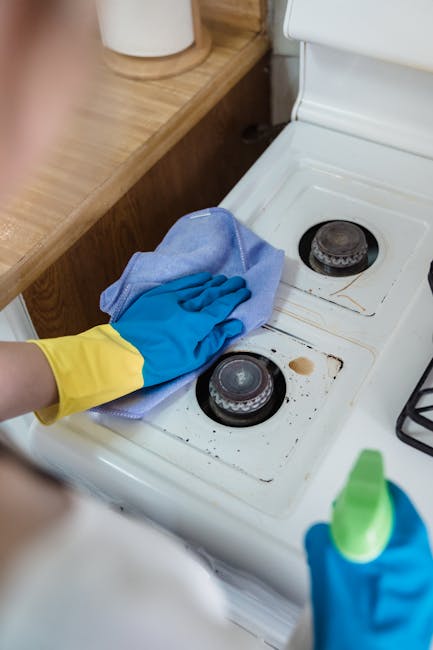
Barnet Council grease disposal rules for Finchley oven cleaning: what you need to know before you pour anything away
If you are booking an oven clean in Finchley, there is one messy little detail that can cause bigger problems than people expect: grease disposal. The Barnet Council grease disposal rules for Finchley oven cleaning matter because what leaves your oven does not magically disappear once it goes down the sink. It can harden, cling to pipework, and create costly blockages. And yes, that usually happens at the worst possible time, like when you are trying to get the kitchen back to normal before guests arrive.
This guide explains the practical side of grease disposal, how local expectations line up with common UK best practice, and what to do before, during, and after an oven clean. You will also find a checklist, a comparison table, and a few real-world tips that make the whole process easier. Let's keep it simple and useful.
- Why Barnet Council grease disposal rules for Finchley oven cleaning matters
- How Barnet Council grease disposal rules for Finchley oven cleaning works
- Key benefits and practical advantages
- Who this is for and when it makes sense
- Step-by-step guidance
- Expert tips for better results
- Common mistakes to avoid
- Tools, resources and recommendations
- Law, compliance, standards, or best practice
- Options, methods, or comparison table
- Case study or real-world example
- Practical checklist
- Conclusion
- Frequently asked questions
Why Barnet Council grease disposal rules for Finchley oven cleaning Matters
Grease is one of those household leftovers that looks harmless until it cools. Then it turns tacky, thick, and stubborn. In a busy Finchley kitchen, that often means people wipe it from oven trays, drip trays, extractor parts, or oven seals, then instinctively rinse everything down the sink. The problem? That liquid-looking residue can set in pipes and create a blockage that your day did not need.
Local council guidance is usually built around preventing drain blockages, protecting wastewater systems, and reducing pollution. Even when a rule is not phrased as a dramatic warning, the practical expectation is clear: do not pour fats, oils, or grease into sinks, toilets, or street drains. That applies whether the grease came from roasting joints, baking trays, or heavy-duty oven degreasing.
For Finchley households, this matters for a few reasons. First, a blocked sink can quickly become a smelly, inconvenient mess. Second, repeated grease disposal mistakes can affect shared plumbing in flats or converted houses. Third, if you are a landlord, letting agent, or tenant preparing for inspections, poor kitchen hygiene can cause avoidable disputes. Truth be told, no one wants to argue about congealed cooking fat in a tenancy report.
There is also a wider environmental side. Grease that ends up in the wrong place can cause strain further down the system. So while oven cleaning feels like a small domestic task, the disposal part has wider consequences than most people realise. That is why getting the basics right is worth the effort.
How Barnet Council grease disposal rules for Finchley oven cleaning Works
The practical rule is straightforward: collect grease, cool it, and dispose of it in a way that does not enter the drainage system. In everyday terms, that means scrapes, wipes, absorbent paper, sealed waste bags, and the bin are your friends. The sink is not.
When cleaning an oven, grease can show up in a few forms:
- soft residue inside the oven cavity
- liquid drips in the base or under heating elements
- stuck-on carbonised fat on trays and racks
- runoff from cleaning sprays and degreasers mixed with loosened residue
What you do next depends on the amount and the state of the grease. If it is small and absorbable, wipe it with paper towels or cloths you are happy to bin. If it is heavier, let it cool, scrape it into a disposable container, and seal it before putting it in general waste. If you are dealing with a large quantity, such as after deep cleaning several ovens in a shared property, you may need a more controlled waste-handling approach. That is less common for homes, but worth thinking about if you manage multiple kitchens.
There is a small but important distinction between removing grease from an oven and disposing of the residue. Cleaning products can loosen grime, but that does not make it safe to wash everything away. You still need to trap the waste before it reaches the drain. And if you are using a professional oven cleaning service, ask how they handle residue on-site. A good provider should be able to explain it without vague hand-waving.
For context, reputable local cleaning businesses often work in line with their own safety and environmental policies. If you are comparing providers, it helps to look at their recycling and sustainability approach as well as practical service details. Small thing, maybe. But it tells you whether they think beyond the shiny oven door.
Key Benefits and Practical Advantages
Following sensible grease disposal practice is not just about being tidy. It gives you real-world benefits that show up fast.
- Fewer blocked drains: This is the big one. Grease is notorious for building up in pipework.
- Cleaner kitchen surfaces: If waste is contained properly, you avoid smearing residue across worktops, cupboard handles, and floors.
- Better smell control: Old grease has a way of announcing itself. Usually at the least convenient moment.
- Easier post-clean reset: A kitchen feels genuinely done when waste is removed properly, not just pushed out of sight.
- Reduced tenant or landlord friction: In rented homes, good disposal habits help avoid maintenance complaints.
- Better hygiene: This matters especially if food prep happens soon after cleaning.
There is also a hidden advantage: sensible disposal can make oven cleaning less stressful. Once you know where everything goes, you stop hesitating mid-job. That sounds minor, but it changes the whole rhythm of the task. The clean feels more controlled, less like a grease-covered guessing game.
If you are arranging other household cleaning at the same time, it can make sense to pair oven care with a wider refresh. A lot of people in Finchley bundle it with deep cleaning or a broader house cleaning visit, especially before moving, after a renovation, or ahead of a family gathering.
Who This Is For and When It Makes Sense
This topic is relevant to more people than you might think. If you live in Finchley and cook regularly, you will deal with grease disposal at some point. But some groups need to be extra careful.
Homeowners and tenants
If you are cleaning your own oven, you are responsible for avoiding drain misuse and keeping waste under control. In a flat, that responsibility matters even more because one blocked pipe can affect several homes.
Landlords and managing agents
End-of-tenancy ovens are a classic flashpoint. A greasy oven, badly disposed residue, or a blocked sink can complicate check-out discussions. If you manage rental properties, a clear cleaning process saves time later. For related planning, our Finchley landlord guide to oven cleaning rules may also be useful.
Busy families
Let's face it, family kitchens get hammered. There is roasting, frying, reheating, and the odd forgotten tray at the back of the oven. If you only clean every so often, the grease build-up is heavier and disposal needs a little more care.
Letting clean or move-out situations
When you are moving, you are usually in a rush. That is exactly when people make mistakes. A few extra minutes spent scraping and bagging grease can save a headache that lasts much longer than the move itself.
People hiring a professional oven cleaner
If you are paying for help, you should still know what "good" looks like. A reliable cleaner should leave you with a tidy kitchen, not a greasy sink or a mystery puddle in the corner.
And if you are trying to decide whether to hire help at all, compare it with the rest of your priorities. Sometimes the oven is one job too many, especially after a busy week. That is fair enough.
Step-by-Step Guidance
Here is a simple, practical process you can follow whether you are doing the job yourself or checking a professional's approach.
- Let the oven cool fully. Warm grease behaves differently from cold grease, and you do not want to handle hot residue.
- Open windows or improve ventilation. Cleaning sprays, steam, and loosened fat can make the kitchen feel stuffy.
- Remove loose trays and racks. Put them on a protected surface so residue does not spread.
- Scrape heavy deposits into a disposable container. Use a spoon, scraper, or folded card. Keep it simple.
- Absorb smaller amounts with paper towels or cloths. Do not rinse greasy material into the sink.
- Seal greasy waste before binning it. A lined caddy, old container, or tied bag usually works well.
- Wipe down surfaces after the main grease is removed. This reduces the chance of smearing residue around.
- Wash only the non-greasy items in hot water once the heavy residue is gone. This is the point where people often get too relaxed. Don't rush it.
- Check the sink and drain area after cleaning. If anything slick has reached the plughole, clear it straight away with absorbent material rather than flushing it through.
- Dispose of waste in the appropriate household bin. If you have significant quantities or unusual waste, check local disposal guidance before acting.
A useful rule of thumb: if it still feels slippery enough to smear, it is not ready to go near the drain.
Expert Tips for Better Results
There are a few habits that make grease disposal easier without turning the job into a chore.
Work from the dirtiest area outward. If you start with the lighter dust and finish with the greasy base, you will drag residue back over surfaces you already cleaned. It sounds obvious, but people still do it. Often.
Use absorbent layers. A couple of paper towels stacked together, or a disposable sheet under greasy trays, catches more residue than a thin wipe alone.
Keep a small waste bowl nearby. This saves you from wandering around the kitchen with oily scraps in your hand, which is never elegant and rarely safe.
Do not mix grease with lots of water too early. Diluting it may feel safer, but it often spreads the problem wider. Contain first, clean second.
For stubborn deposits, soften before scraping. A little patience beats aggressive scrubbing. Otherwise you end up flinging bits of old grease around the room like a tiny, grim confetti cannon.
Protect the floor. Even a few drops on vinyl or tiles can become a slip risk, especially if you are moving quickly in socks on a cold morning.
If you use a professional service, ask whether they leave the oven, trays, and surrounding area free of residue. A proper service should be neat from start to finish, not just technically clean inside the cavity. For many households, booking a dedicated oven cleaning service is the easiest way to avoid the mess of doing it solo.
Common Mistakes to Avoid
Most grease problems come from a few predictable errors. Once you know them, they are easy to sidestep.
- Pouring grease into the sink: This is the classic one and still the most avoidable.
- Wiping residue into the plughole: It looks like a shortcut, but it is really just a delayed blockage.
- Using too much water too soon: This can spread grease across the basin and pipework.
- Leaving waste uncovered: Unsealed greasy waste smells and can leak.
- Ignoring shared plumbing: In flats and HMOs, one household's bad habit becomes everyone's problem.
- Scrubbing before scraping: You end up moving the grease around instead of removing it.
- Forgetting the cleaning cloths: A saturated cloth still holds grease. If it is heavily soiled, treat it as waste.
Another common mistake is assuming "a little bit" is harmless. Maybe it is on one occasion. But council guidance and basic plumbing care are about patterns, not one-off luck. Small amounts repeated over time can still build up.
And if your kitchen already has slow drainage, be extra careful. Grease can turn a mild issue into a proper nuisance in no time.
Tools, Resources and Recommendations
You do not need a fancy kit to dispose of oven grease properly. You need a few sensible basics.
- Disposable gloves: Useful for comfort and hygiene.
- Paper towels or absorbent wipes: Good for smaller residue.
- Plastic scraper or old card: Helps lift thicker deposits without scratching surfaces.
- Sealable bags or lined waste bins: Keep the mess contained.
- Old newspaper or protective sheets: Handy under trays and racks.
- Bucket or bowl for non-greasy soak items: Keeps your workflow organised.
If you are booking a cleaner, check the company's policies around safety, waste handling, and insurance. A professional site should be clear about these basics. You can also look at a provider's health and safety policy and insurance and safety information if those details matter to you, which they usually should.
For quote planning, it may help to compare what is included in the visit rather than looking only at the headline price. Some jobs are straightforward; others need extra attention for heavy build-up, awkward access, or heavily soiled trays. A transparent pricing and quotes page can save a lot of back-and-forth.
Law, Compliance, Standards, or Best Practice
Without turning this into a legal lecture, the safest practical approach is to follow widely accepted UK best practice: do not dispose of fats, oils, or grease into drains, sinks, or toilets. Councils, water services, and property managers generally expect residents and businesses to prevent avoidable blockages and pollution.
For domestic oven cleaning, that usually means:
- keeping grease out of wastewater systems
- using household waste bins for solidified or absorbed residue where appropriate
- avoiding disposal methods that create drainage issues
- handling cleaning chemicals in line with product instructions
If you are cleaning in a rental property, the expectations can be stricter in practice because there is a landlord-tenant relationship to consider. In shared buildings, one person's poor disposal habits can become a maintenance issue for the whole block. No one enjoys that phone call.
For cleaning companies, best practice goes a step further. Staff should work safely, keep waste controlled, and avoid contaminating surfaces, sinks, or drains. Good businesses usually document this in internal policies and train their teams accordingly. If you want reassurance before booking, it is sensible to ask how the company handles residue on-site and what they do if waste is heavier than expected.
When in doubt, the safest option is always containment first, disposal second. Simple, but effective.
Options, Methods, or Comparison Table
There is more than one way to deal with oven grease, but not all methods are equal. Here is a clear comparison of common approaches.
| Method | How it works | Best for | Main drawback |
|---|---|---|---|
| Absorb and bin | Use paper towels or wipes to soak up grease, then bag it | Small to moderate residue | Can use more disposable material |
| Scrape and containerise | Lift thicker grease into a disposable container before binning | Heavier build-up, tray residue, old fat deposits | Needs a bit more care and patience |
| Rinse immediately | Wash grease away with lots of water | Very little, non-greasy residue only | Risk of drain blockages and spread |
| Professional oven cleaning | A cleaner removes grease and handles waste on-site | Busy households, heavy build-up, move-out cleans | Costs more than DIY |
For most Finchley homes, absorb-and-bin or scrape-and-containerise is the sensible middle ground. Professional cleaning becomes more attractive when the oven is badly burnt-on, if you are short on time, or if you simply do not want the aftermath. That is fair enough. Life is busy.
If you are comparing cleaning options more broadly, you may also find it useful to look at one-off cleaning for occasional resets or domestic cleaning if you want a larger household clean arranged around the oven job.
Case Study or Real-World Example
Here is a very typical Finchley scenario. A family in a terraced home has done a Sunday roast, and the oven base has a thick layer of grease and baked-on drips. The temptation is to spray, wipe, rinse, and be done with it. But the sink is already a bit slow, and there is a faint smell from the plughole. Not ideal.
Instead, they let the oven cool, scrape the heavy residue into a lined caddy, wipe up the remaining film with paper towels, and seal the waste before binning it. They avoid rinsing greasy cloths straight away. The trays are cleaned separately, and only once the grease is mostly gone do they wash the non-greasy parts in hot soapy water. The kitchen ends up clean, the drain stays clear, and the whole job feels less like wrestling with sticky cooking history.
That kind of approach is boring in the best possible way. It is controlled, repeatable, and it works.
In another common case, a landlord arranging end-of-tenancy cleaning in Finchley may book a professional service to ensure the oven is restored properly before inventory. The cleaner removes residue without pushing grease into the sink, and the property is left ready for inspection. If you are in that position, using a specialist end of tenancy cleaning service can reduce the chance of a messy handover.
Practical Checklist
Use this quick checklist before and during oven cleaning.
- Turn off and cool the oven completely.
- Open a window or ventilate the room.
- Lay down old paper or protective covering.
- Gather gloves, wipes, scraper, and bin bags.
- Remove racks and trays carefully.
- Scrape heavy grease into a disposable container.
- Wipe residue with absorbent material before any washing.
- Do not pour grease into the sink or toilet.
- Seal greasy waste before binning it.
- Check the drain area for accidental residue.
- Clean surrounding surfaces, handles, and floor splashes.
- Wash cloths only after obvious grease is removed, or dispose of heavily soiled items.
If you can tick all of those off, you are doing the job properly. Nothing fancy. Just good habits.
Conclusion
Barnet Council grease disposal rules for Finchley oven cleaning are really about common sense, local responsibility, and protecting your home from avoidable blockages. The main idea is simple: keep grease out of drains, contain waste properly, and clean in a way that does not move the problem somewhere else.
Whether you are doing a quick wipe-down after a roast dinner or tackling a badly built-up oven before a move, the same principles apply. Cool it, scrape it, absorb it, bin it. If you need help, choose a cleaning provider that treats waste handling as part of the job, not an afterthought. That is usually where the difference shows.
And honestly, once you get the routine right, oven cleaning feels less like a dreaded chore and more like one of those satisfying jobs that quietly makes the whole kitchen better.
Get a free quote today and see how much you can save.
If you want to learn more about the business behind the service, you can also read about us or use the contact us page to ask a direct question. Sometimes a quick message saves a lot of guesswork.
Frequently Asked Questions
Can I pour oven grease down the sink in Finchley?
No, that is the main thing to avoid. Even small amounts can cool, stick to pipework, and contribute to a blockage. It is better to absorb, scrape, and bin grease instead.
What should I do with liquid grease after oven cleaning?
Let it cool, contain it in a disposable container or absorbent material, and put it in the bin if it is suitable for household waste. Do not wash it away with water just because it looks thin.
Do Barnet Council grease disposal rules apply to small amounts too?
Yes, the principle is the same. Small amounts might not cause instant problems, but repeated disposal into drains is still the wrong approach and can build up over time.
Is it okay to wipe greasy trays and then rinse the cloths?
Only once the heavy grease has already been removed from the cloths. If the cloth is saturated, treat it as greasy waste or dispose of it appropriately rather than rinsing it straight into the sink.
What if my kitchen sink is already slow draining?
Then you should be extra careful. Avoid any grease going down the sink at all, and consider having the drain checked if the problem keeps coming back.
Can a professional oven cleaner handle grease disposal for me?
Yes, a good cleaner should manage residue carefully as part of the service. It is sensible to ask how they do this before booking, especially if the oven is heavily soiled.
How do I know if I have too much grease to handle myself?
If the build-up is thick, burnt on, or spread across several trays and surfaces, it may be easier and safer to use a specialist. When in doubt, a professional clean saves time and mess.
Does grease disposal matter in rented properties?
Absolutely. Poor disposal can lead to drain issues, maintenance complaints, and avoidable disputes at check-out. In a rental, clean habits help everyone.
What is the safest way to collect grease from an oven base?
Allow it to cool, scrape it into a disposable container, and use absorbent material for the thin residue. That keeps the waste controlled and away from the drain.
Can I mix grease with cleaning chemicals before disposing of it?
No, not as a disposal method. Cleaning chemicals and grease should be handled according to product instructions, and waste should still be contained rather than washed away.
Is there a difference between grease and cooking oil for disposal?
Yes, but both need careful handling. Oils are more runny, while grease may be semi-solid or sticky. Either way, the sink is not the place for them.
Should I choose oven cleaning as part of a wider home clean?
If the kitchen needs more than one job, that can be a smart move. Pairing the oven with a broader clean often saves time and makes the whole home feel fresh at once.